Sustainable Soil Health Management in India
Introduction
We are going to read about sustainable soil health management in India but let’s read about soil first. Soil, the topmost layer of the Earth’s crust, is formed through complex physical, biological, and chemical processes. Much like water, soil is a crucial terrestrial resource — yet often neglected. Healthy soil is not only essential for high-yield agriculture but also plays a vital role in sustaining biodiversity and ecosystem services.
 A single teaspoon of healthy soil contains over one billion microorganisms, representing around 25% of global biodiversity. This incredible richness makes soil the living foundation of life on Earth. Besides agriculture, topsoil is also vital for forests, grasslands, and even construction activities.
Causes of Soil Degradation
In India and globally, soil degradation is on the rise due to both natural and human-induced factors, such as:
-
Climate change and erratic rainfall
-
Intensive chemical agriculture
-
Deforestation and land misuse
-
Industrial pollution and waste dumping
Chemical farming, in particular, has severely impacted soil health by reducing soil organic matter, biodiversity, water retention capacity, and nutrient recycling — all of which are crucial for sustainable agriculture.
Why Soil Health Matters in India
India is the second-most populous country and the second-largest food producer globally. Over 58% of India’s population relies on agriculture and livestock for their livelihood. Hence, protecting soil health is not a luxury — it’s a necessity.
Healthy soils help:

-
Produce nutrient-rich food
-
Support climate resilience
-
Enable carbon sequestration, reducing greenhouse gases
-
Maintain food and economic security
Degraded soils reduce the productivity of natural ecosystems like forests, pastures, and agricultural lands. This directly impacts the nutritional security of humans and animals.
Key Ecosystem Functions of Soil
Healthy soil performs multiple vital ecological functions, including:
-
Water infiltration and retention
-
Nutrient cycling and storage
-
Natural pest and weed suppression
-
Detoxification of harmful chemicals
-
Carbon storage
-
Production of food, fiber, and fuel
Maintaining these functions is essential for the well-being of people, livestock, wildlife, and ecosystems and it must be a part of sustainable soil health management in India.
INORA’s Approach to Sustainable Soil Health
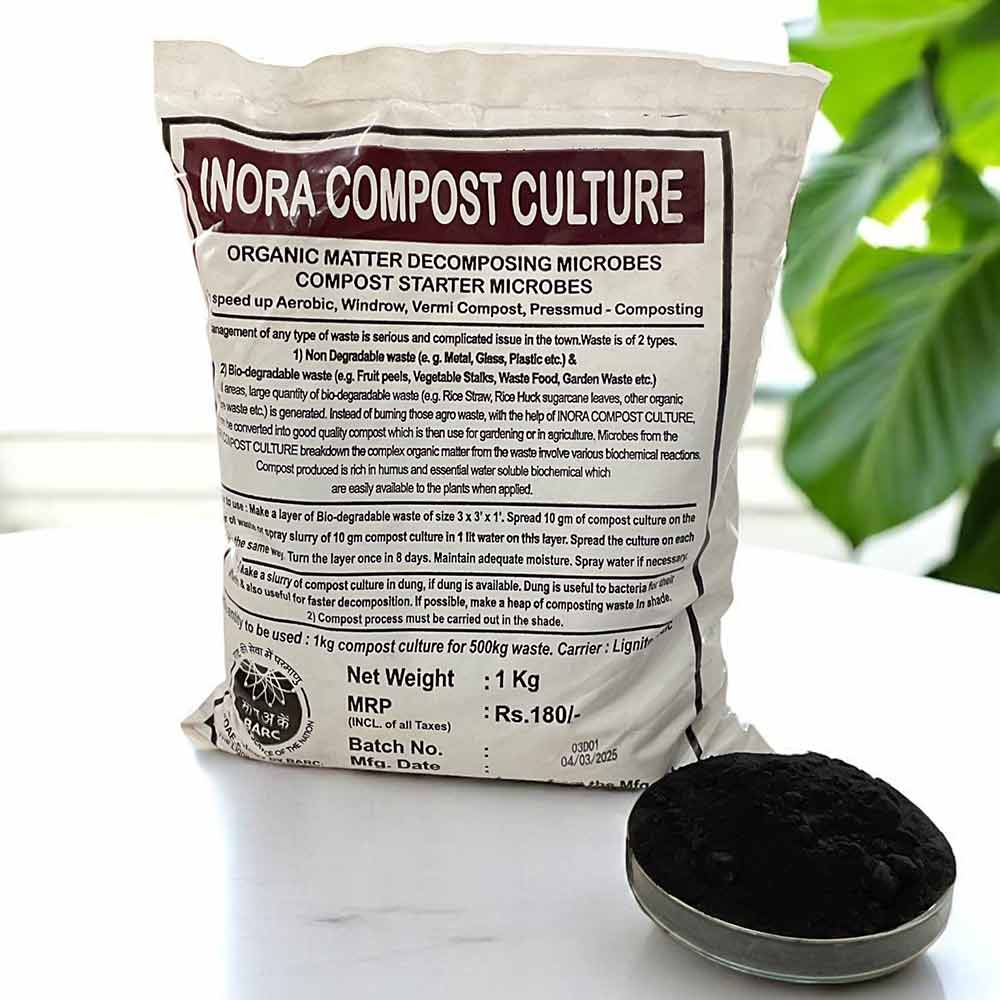
At INORA Biotech, we deeply understand the intrinsic connection between soil health and sustainable living. Our approach focuses on organic matter recycling, with a strong emphasis on:
-
Vermiculture (earthworm-based composting)
-
Bioremediation techniques
-
Biomass generation and recycling
We believe that biomass is the basic building block of healthy soil. By feeding the soil naturally, we restore its biological fertility, improve structure, and enhance its ability to support diverse life forms.
Conclusion
Soil is much more than dirt — it’s a living, breathing ecosystem. For India to maintain food security, support sustainable livelihoods, and combat climate change, soil health must be a national priority.
INORA remains committed to building awareness and offering eco-friendly, sustainable soil management solutions that restore and revitalize the Earth — one handful of soil at a time.